
SERVICES / INSPECTION & CONSOLIDATION

China Goods Inspection & Consolidation

Buying from several Chinese suppliers? Agree what to check, keep each arrival identifiable and decide how shortages or quality findings affect consolidation and release.

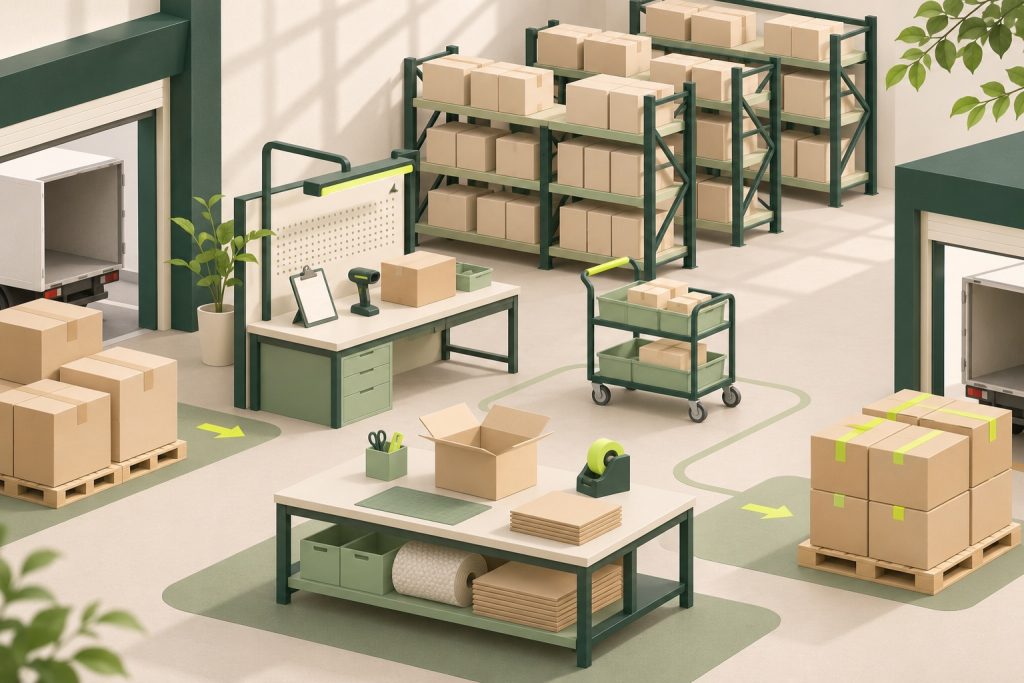
AI-generated conceptual illustration of receiving, inspection, storage, picking and packing; not a photograph of a ChengBridge facility.
Workflow illustration; not an actual facility photograph.

WHAT THE SERVICE COVERS

01

Information to prepare

Provide product specifications, order quantities, packing requirements, supplier locations and the checks you want performed. Agree inspection depth and acceptance criteria before goods are checked.

02

How the work is coordinated

Goods are checked against the agreed scope, and findings are shared for your review. Shipments from different suppliers can then be grouped and prepared for storage or onward dispatch.

03

Deliverables and boundaries

Inspection is limited to the checks agreed for the order. Sampling does not guarantee every item is defect-free, and routine goods checks do not replace laboratory testing or destination-market certification.

Questions about inspection and consolidation

How is goods inspection different from warehouse receiving?

China goods inspection checks products against agreed criteria and methods. Warehouse receiving may identify deliveries, count cartons or record visible condition, depending on scope. Define the inspection scope and receiving tasks separately; neither a receiving record nor a sampled inspection verifies every product property.

How does multi-supplier shipment consolidation work?

Multi-supplier consolidation brings identifiable deliveries into one coordinated stock and dispatch plan. Record each supplier, SKU, expected quantity and actual receipt, then decide what can be combined. Shipment consolidation requires clear handling of shortages, late arrivals and release approvals.

What if a delivery is short or does not match?

For a multi-supplier order, finding a problem and deciding what to do about it are separate steps. Agree the evidence, approval contact and release rules before arrivals begin.

Quality differs from the sample

Connect findings to the product, lot and approved reference. Specify which checks were completed, which were not, and whether affected stock should be held for your decision. Sampling is not a guarantee that every item is defect-free.

Review inspection scope and limitations.

One supplier is late or short

Keep expected and observed quantities separate. Decide whether available goods should wait, move as a partial batch or be held pending a supplier response. Confirm any additional handling or shipment costs before approving a change.

Build a multi-supplier consolidation plan.

You need evidence for a decision

Agree the required photographs, quantity records and product references in advance. Identify who can authorise rework, replacement, return or release. Routine receiving and visual inspection do not replace testing or certification.

Share your goods-checking requirements.

YOUR BRIDGE TO A SIMPLER CHINA SUPPLY CHAIN

Less coordination.
More room to grow.

Tell ChengBridge what you need to buy, store or ship. We’ll review your requirements and discuss a suitable service scope.

Define the receiving and inspection scope

Information to provide

Provide supplier references, expected cartons and quantities, item specifications, inspection criteria and the planned consolidation date.

Questions to settle before quotation

Clarify the checks requested, any sampling basis, repacking requirements and responsibility for onward transport. Inspection scope and acceptance criteria need written agreement.

Handling an exception

For shortages, damage or mismatched items, preserve the carton reference and supporting photos. Agree whether to hold, return or release the affected goods before dispatch.

Send your requirements for a scope discussion

Scroll to top